
Welcome to Perthi! Our cottages sit within a traditional, working Welsh hill farm. We are proud custodians of native, hardy breeds that thrive in this rugged landscape: Welsh Mountain sheep, and Galloway, and Blue Grey cattle. Here is what is happening around you throughout the seasons.
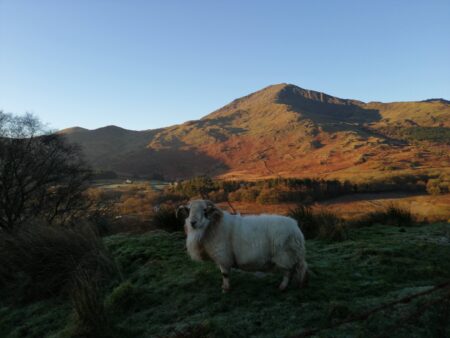
❄️ Winter (December – February)
While the landscape looks quiet, winter is all about careful management, precise nutrition, and tech-driven grazing.
- Virtual Fencing: You might see our cattle grazing out on the hills all winter. They wear special GPS collars that use “virtual fencing” to protect specific areas while allowing them to out-winter naturally.
- Supplementary Feeding: Because winter grass lacks nutrients, we treat the cows to extra supplementary grass and silage to keep them strong and warm.
- February Scanning: This is a major event. An ultrasound scanner checks the pregnant ewes. Singles (carrying one lamb) head straight back up the mountain. Twins and first-time lambers are kept down in the sheltered fields around the cottages so we can keep a close eye on them.
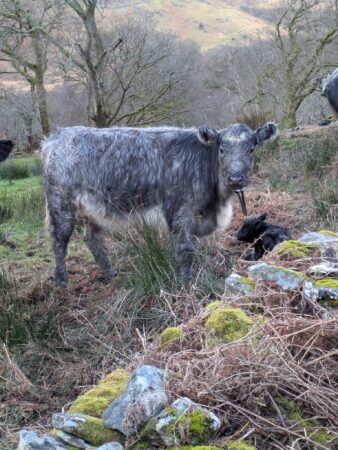
🌱 Spring (March – May)
The farm bursts into life as the next generation arrives.
- April Calving: The cows give birth to their calves out in the fields, making the transition easy during the milder spring months.
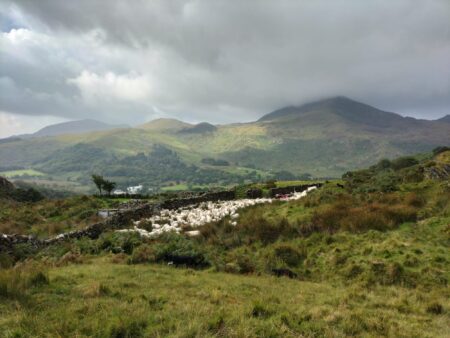
- The Spring Gathering: In early spring, we gather the sheep down from the mountain to the fields surrounding your cottages to vaccinate them.
- The Return Home (1st April): Last year’s ewe lambs (the girls) return to Perthi after spending the winter on softer, lowland “wintering keep”. They are finally ready to go up the mountain.
- April Lambing: Our busiest month! My Dad goes on regular rounds to check the fields, number the twins so mums don’t lose them, and assist any in trouble—though we try not to interfere unless necessary.
- May “Hefting”: The ewes with ewe lambs are turned out onto the mountain. This is a crucial time for hefting—an ancient process where mothers teach their daughters the boundaries of the mountain.
- The Boys Stay Home: The male ram lambs and twins remain on the better ground around the house to grow better. We also shear their tails to prevent summer fly strike.
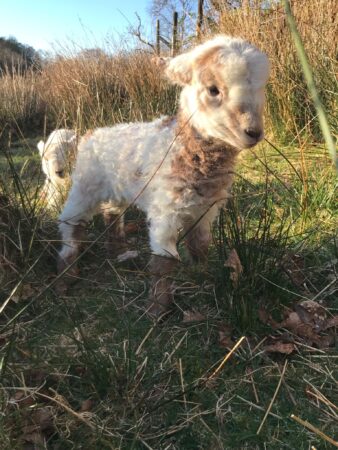
☀️ Summer (June – August)
Long days, thick fleeces, and transition.
- Late June Shearing: As the weather warms up, the sheep lose their heavy winter coats. Shearing is fast, physical, and highly skilled work!
- July Quiet: A brief breather for the farmer. The cattle enjoy the high mountain pastures until November, and the breeding bull is turned out with the cows to start their 9-month pregnancy cycle again.
- August Weaning: The lambs are old enough to live independently from their mothers. We potentially sell some of the lambs as “stores” to lowland farmers who will fatten them up.
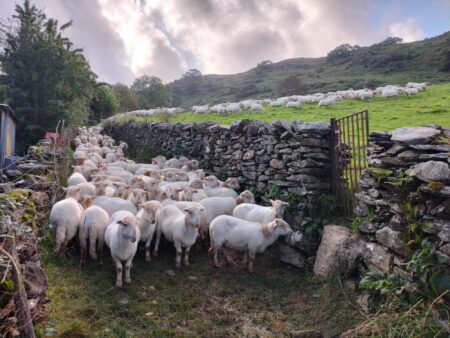
🍂 Autumn (September – November)
The cycle ends and immediately begins again for the next year.
- September Drafts: We sort through our 4-year-old ewes. Mountain life is tough on older teeth, so they are sold to lowland farms to continue breeding on easier ground. We also sell our fat lambs at this time.
- October Prep: This year’s 6-month-old replacement ewe lambs are sent away to their lowland wintering keep. We also “dip” the remaining sheep to protect them from autumn parasites.
- November Tupping: Romance is in the air! We release our rams (including our handsome Kerry Hill and Welsh Mountain boys) into different groups of ewes to make them pregnant.
- Winter Transition: By late November and December, the strong 1, 2, and 3-year-old ewes head back up the wild mountain to brave the winter elements, while the cows move down for winter rotational grazing.
🐓 Our Free-Range Rescues
No matter the season, you will see our resident chickens and cockerel strutting around the farmyard. Many of our hens are rescued chickens enjoying a well-deserved, happy retirement in the fresh mountain air.
There is a drop-off in fresh eggs during the winter and there is a fascinating biological reason for it:
- The Daylight Trigger: Chickens need roughly 14 to 16 hours of daylight to stimulate the hormones required to produce an egg.
- The Winter Pause: As the days shorten between October and February, their bodies naturally shut down egg production. This gives the hens a vital rest period to conserve energy, stay warm, and regrow fresh feathers during their autumn molt.
- Spring Abundance: As the natural light returns in spring, their cycles kick back into gear, providing an abundance of delicious eggs all through the summer!


